Why Factory Floor Communication Matters More Than Ever
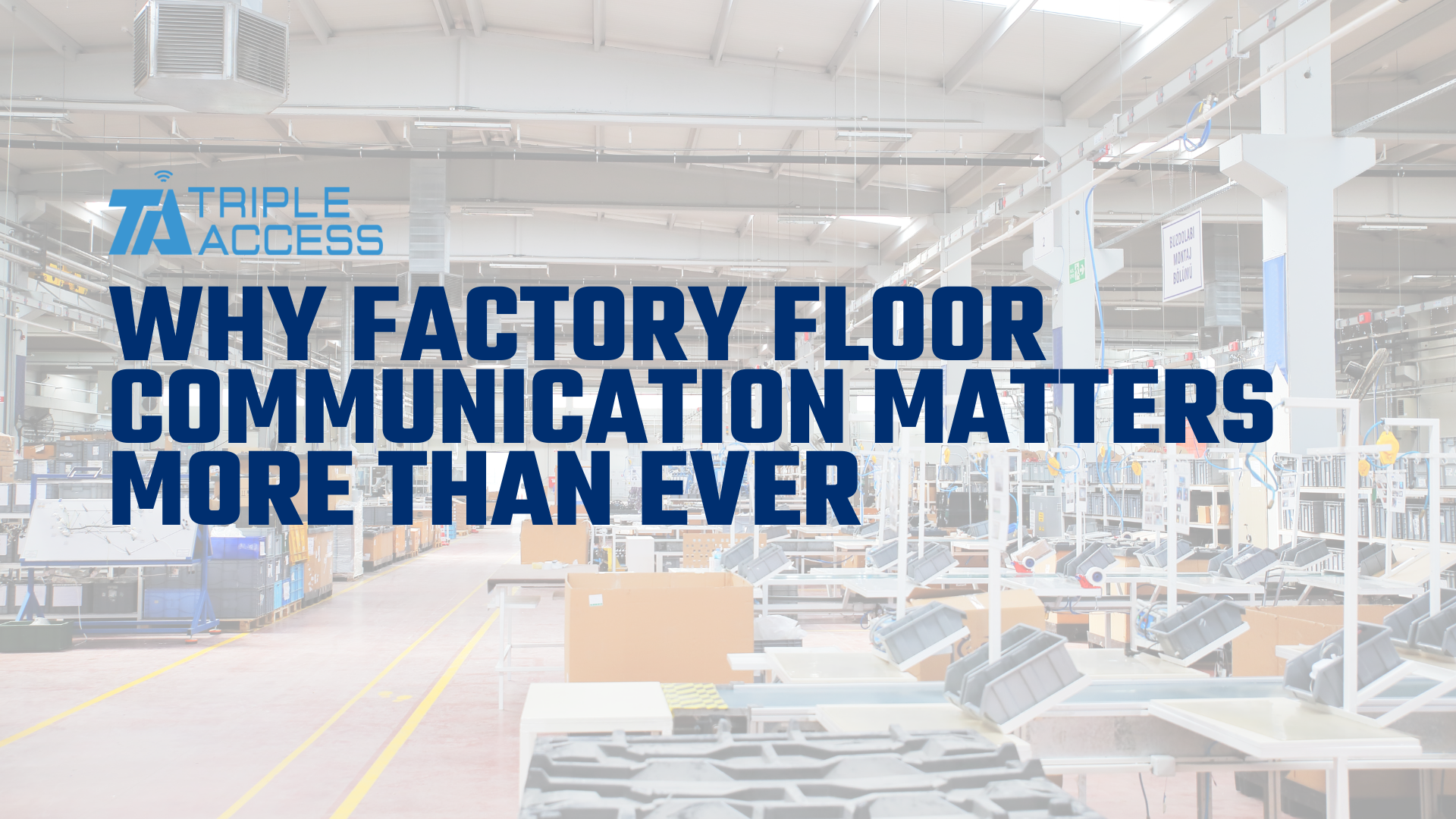
Manufacturing has evolved significantly over the past decade. As factories embrace automation, digitalization, and Industry 4.0 initiatives, one fundamental element remains critical to operational success: factory floor communication.
Whether managing production lines, coordinating maintenance teams, overseeing warehouse operations, or responding to emergencies, clear and instant communication is essential. A delay of even a few minutes can result in production downtime, quality issues, safety risks, or missed delivery deadlines.
Despite advances in manufacturing technology, many organisations still rely on outdated communication methods such as personal mobile phones, verbal messages, or fragmented messaging apps. While these tools may seem convenient, they often fall short in demanding industrial environments where speed, reliability, and durability are essential.
In this article, we’ll explore why factory floor communication matters more than ever and how the right communication solutions can help manufacturers improve productivity, enhance workplace safety, and streamline operations.
What Is Factory Floor Communication?
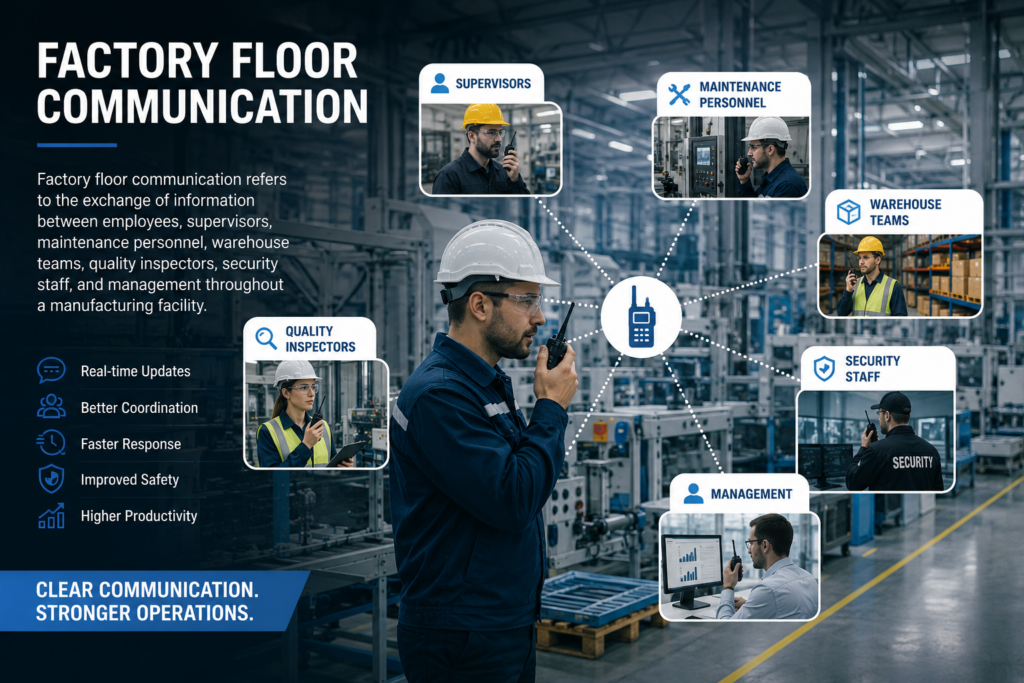
Factory floor communication refers to the exchange of information between employees, supervisors, maintenance personnel, warehouse teams, quality inspectors, security staff, and management throughout a manufacturing facility.
Effective communication ensures that:
- Production targets stay on schedule
- Equipment issues are reported immediately
- Maintenance teams respond quickly
- Safety incidents are communicated without delay
- Warehouse and logistics teams remain coordinated
- Quality issues are resolved before they affect production
In modern manufacturing, communication must be instant, reliable, and accessible regardless of where employees are located within the facility.
The Growing Challenges Facing Modern Manufacturers
Today’s factories are more complex than ever before. Production facilities often operate around the clock with multiple departments working simultaneously across large sites.
Common challenges include:
1. Large Facilities
Manufacturing plants may span several buildings, warehouses, loading bays, and outdoor areas. Team members are often spread across different zones, making face-to-face communication impractical.
2. Noisy Working Environments
Heavy machinery, conveyors, compressors, and production equipment create constant background noise, making verbal communication difficult.
Without specialized communication equipment, important messages may be missed or misunderstood.
3. Equipment Downtime
Unexpected machine failures require immediate coordination between production supervisors, maintenance engineers, and spare parts teams.
Even small communication delays can extend downtime and reduce overall productivity.
4. Worker Safety
Factories present numerous safety risks including heavy equipment, forklifts, hazardous materials, and confined spaces.
When emergencies occur, employees must be able to communicate instantly with the appropriate personnel.
Why Communication Directly Impacts Productivity
Many production delays are not caused by equipment failure, they’re caused by delayed information.
Imagine this scenario:
A packaging machine suddenly stops operating.
Instead of immediately notifying maintenance through an instant communication system, the operator:
- Searches for a supervisor
- Makes several unsuccessful phone calls
- Sends messages that aren’t seen immediately
- Waits for someone to respond
By the time maintenance arrives, valuable production time has already been lost.
With a digital two-way radio system, the operator simply presses the Push-to-Talk (PTT) button and alerts the maintenance team instantly. Everyone involved receives the message simultaneously, allowing faster diagnosis and quicker resolution.
This simple improvement can significantly reduce downtime across an entire facility.
Mobile Phones Aren't Built for Factory Operations
While smartphones are valuable business tools, they are not designed to support real-time industrial communication.
Common limitations include:
- Delays while dialling or waiting for calls to connect
- Poor signal in production areas, basements, or reinforced buildings
- Communication limited to one person at a time
- Dependence on cellular or Wi-Fi coverage
- Fragile hardware that may not withstand harsh industrial environments
For manufacturing operations where every second counts, these limitations can slow response times and affect operational efficiency.
The Advantages of Digital Two-Way Radios
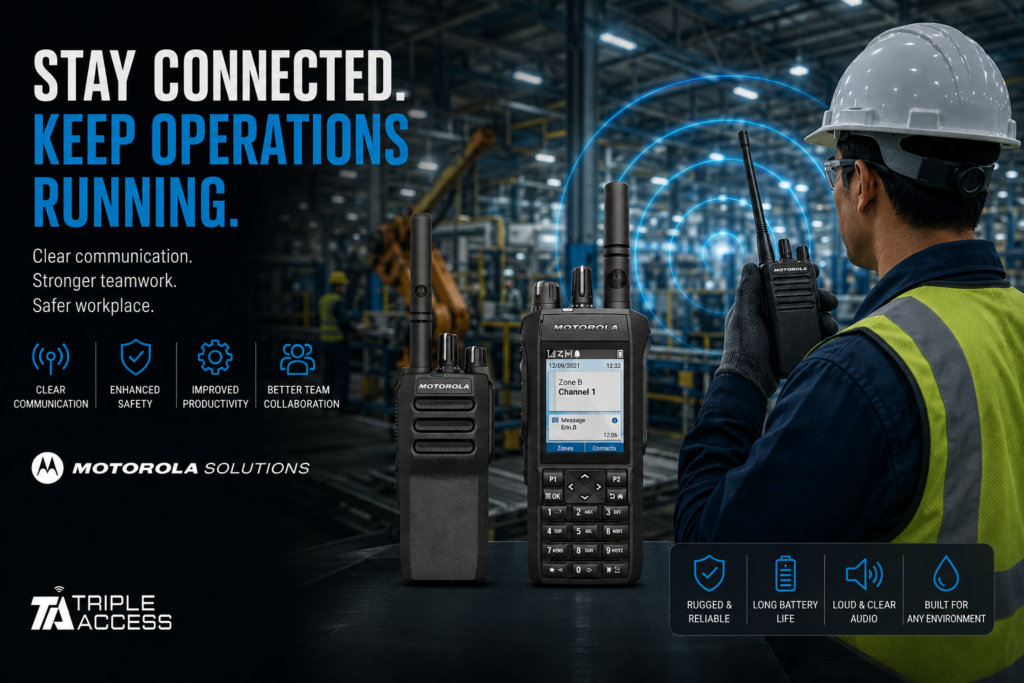
Modern digital two-way radios are purpose-built for industrial environments, offering fast, reliable communication where mobile phones may struggle.
Key advantages include:
1. Instant Push-to-Talk Communication
Connect with an individual or an entire team instantly—no dialling, ringing, or waiting.
2. Exceptional Audio Clarity
Advanced noise suppression technology helps reduce background machinery noise, allowing conversations to remain clear even in loud production environments.
3. Wide Site Coverage
Digital radio systems provide dependable communication across warehouses, production halls, outdoor yards, loading docks, and multi-building facilities.
4. Rugged Design
Industrial radios are engineered to withstand dust, moisture, drops, vibration, and demanding working conditions.
4. Improved Team Coordination
Production, maintenance, warehouse, security, and management teams can stay connected through dedicated communication groups, improving collaboration and response times.
Enhancing Workplace Safety Through Better Communication
Safety is one of the strongest reasons to invest in better factory floor communication.
When employees can report hazards immediately, organizations can respond faster to incidents before they escalate.
Modern communication systems also support features such as:
- Emergency alerts
- Lone worker monitoring
- Man-down notifications
- GPS location tracking (supported models)
- Priority emergency calls
- Group-wide announcements
These capabilities enable organizations to respond quickly during medical emergencies, equipment failures, evacuations, or security incidents.
Supporting Industry 4.0 with Smarter Communication
As manufacturers adopt automation, Industrial Internet of Things (IIoT), and connected production systems, communication becomes even more important.
Connected workers need instant access to:
- Maintenance updates
- Production status
- Equipment alarms
- Warehouse coordination
- Security notifications
Digital communication solutions can integrate with broader operational workflows, helping organizations respond faster and make more informed decisions.
Reliable communication remains a key component of any successful digital transformation strategy.
Choosing the Right Communication Solution
Every manufacturing facility has unique operational requirements.
Factors to consider include:
- Facility size
- Number of employees
- Noise levels
- Indoor and outdoor coverage
- Safety requirements
- Existing communication infrastructure
- Future expansion plans
Selecting the right solution ensures your investment supports both current operations and future growth.
How Triple Access Helps Manufacturers Improve Communication
At Triple Access, we understand that effective manufacturing operations rely on more than just reliable communication, they require an integrated ecosystem of technologies that enhance productivity, worker safety, operational visibility, and security. We work closely with manufacturers across Malaysia to design and implement tailored solutions that address the unique challenges of factory environments, from noisy production floors and expansive facilities to critical safety and emergency response requirements.
Our comprehensive portfolio includes industry-leading solutions from trusted technology partners:
Motorola Solutions Two-Way Radios
- MOTOTRBO™ R5 – Ideal for everyday factory communication with excellent audio clarity, long battery life, and rugged durability.
- MOTOTRBO™ R7 – Built for harsh industrial environments with advanced AI-powered noise suppression, loud and clear audio, and enhanced durability.
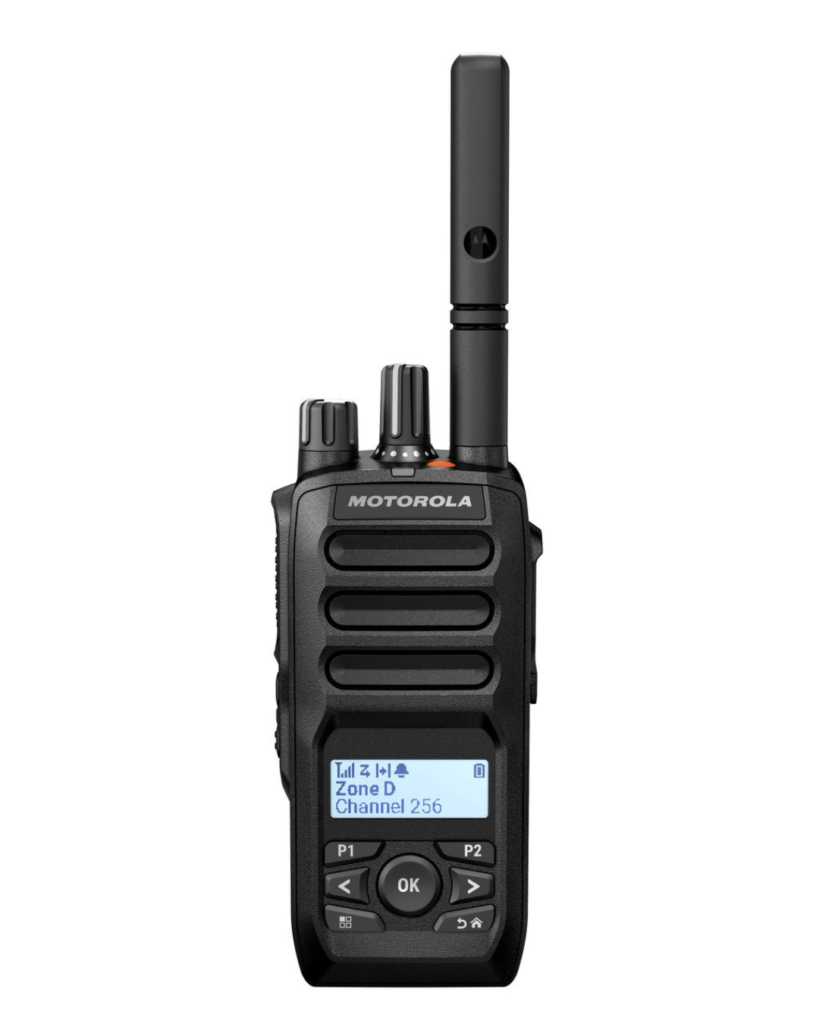
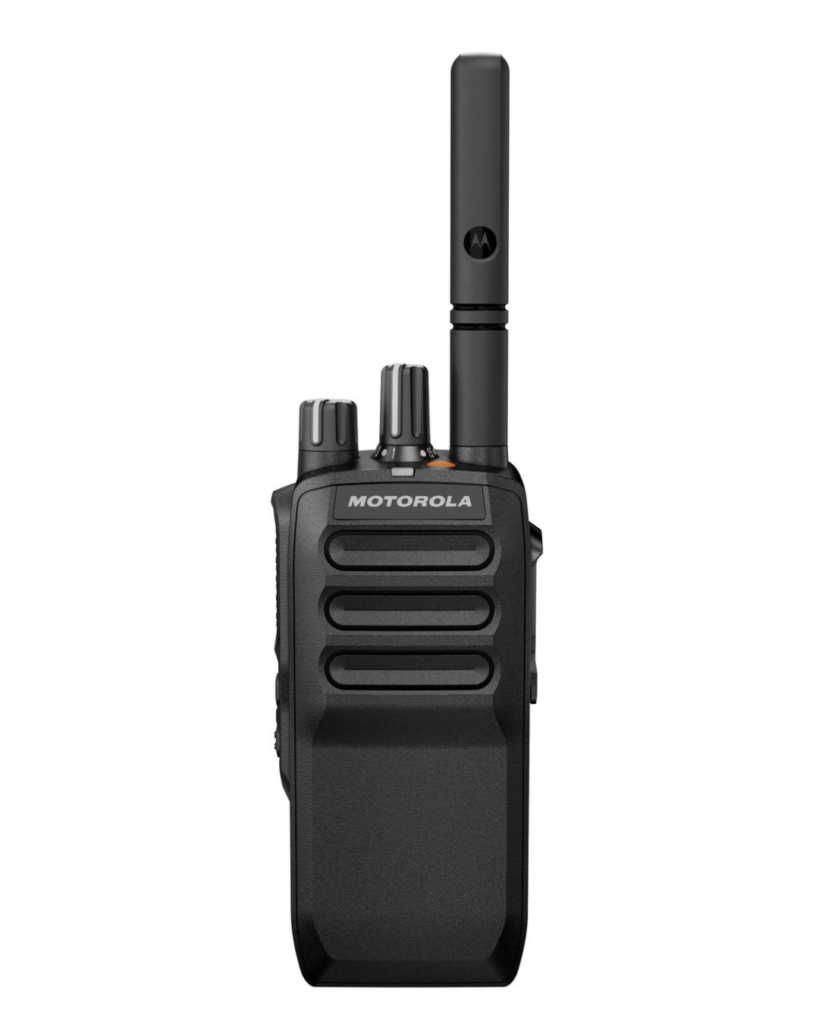
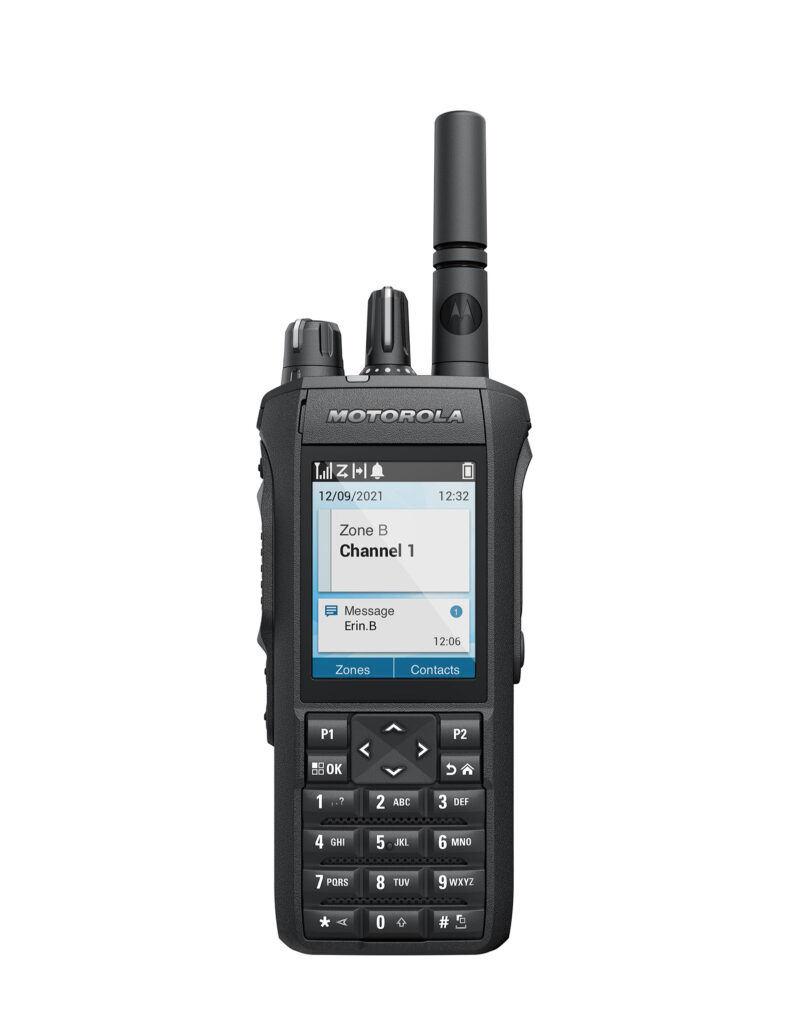
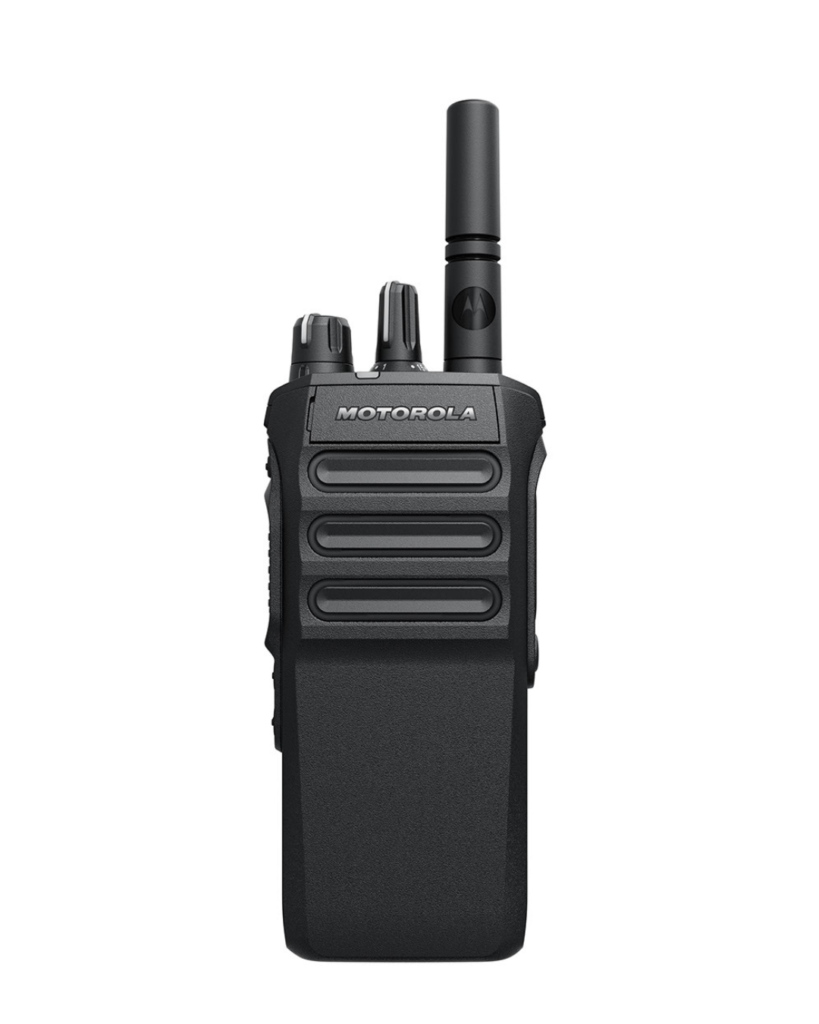
MOTOTRBO™ R5 (With Display)
MOTOTRBO™ R5
(No Display)
MOTOTRBO™ R7 (With Display)
MOTOTRBO™ R7 (No Display)
WAVE PTX™ Broadband Push-to-Talk
Many manufacturing businesses often operate across multiple plants, warehouses, distribution centres, and remote service locations. As a result, WAVE PTX™ extends Push-to-Talk (PTT) communications beyond the limits of traditional radio systems by leveraging 4G LTE and Wi-Fi networks.

With WAVE PTX, manufacturers can:
- Connect employees across multiple factory sites and regional offices.
- Enable seamless communication between on-site teams and field service technicians.
- Communicate using rugged radios, smartphones, tablets, or desktop applications.
- Maintain business continuity even when teams are working remotely or travelling between facilities.
This makes WAVE PTX an ideal solution for manufacturers with geographically dispersed operations or organizations looking to unify communications across different locations.
Distributed Antenna System (DAS)
Large manufacturing plants often experience unreliable signal coverage due to reinforced concrete structures, steel frameworks, underground facilities, or expansive production areas. To overcome these challenges, the Distributed Antenna System (DAS) improves indoor coverage, ensuring employees, contractors, and emergency responders maintain reliable connectivity throughout the facility.
By eliminating communication dead zones, DAS strengthens emergency preparedness and ensures that critical voice and data communications remain available wherever they’re needed.
Avigilon Intelligent Video Security

Communication is only one part of maintaining an efficient and secure manufacturing environment. Avigilon intelligent video security solutions provide manufacturers with real-time visibility across production floors, warehouses, loading bays, parking areas, and restricted zones.
Key benefits include:
- Monitor production and warehouse operations in real time.
- Enhance perimeter security and access control.
- Detect unauthorised access using AI-powered analytics.
- Investigate incidents quickly with high-definition video evidence.
- Improve workplace safety by identifying potential hazards and operational bottlenecks.
Moreover, by integrating video security with communication systems, manufacturers can make faster, more informed decisions during operational or security events.
HALO Smart Sensor
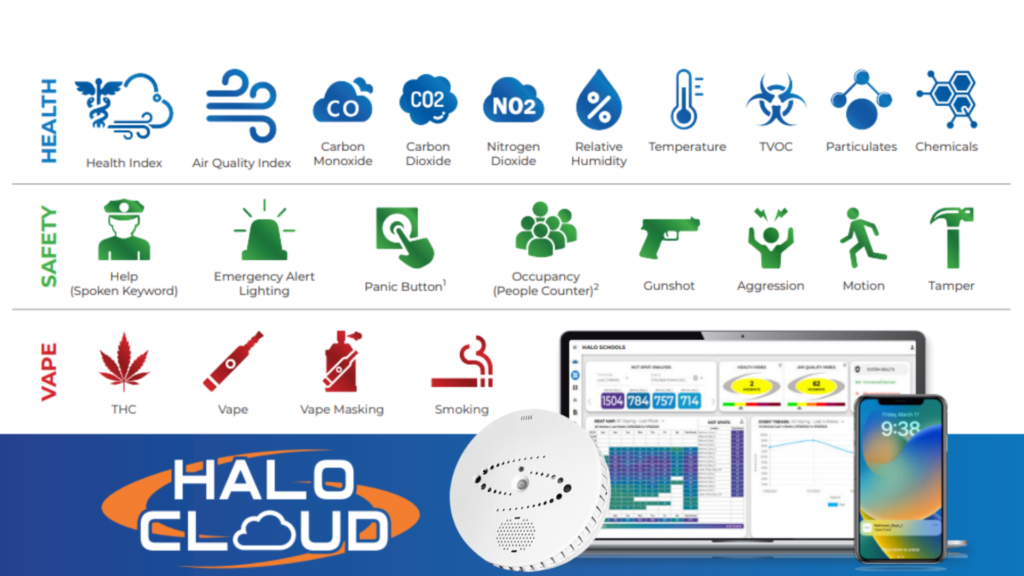
Manufacturing facilities must maintain safe working environments while complying with workplace health and safety regulations. The HALO Smart Sensor provides discreet environmental monitoring in privacy-sensitive areas where cameras cannot be installed, such as restrooms, locker rooms, and changing facilities.
HALO Smart Sensor helps facility managers detect:
- Vape and smoke events
- Poor indoor air quality
- Volatile organic compounds (VOCs) and other airborne contaminants
- Abnormal noise levels that may indicate disturbances
- Changes in temperature and humidity
- Emergency keywords and signs of distress (supported features)
These real-time insights enable manufacturers to proactively address environmental and safety concerns, creating a healthier and safer workplace for employees.
End-to-End Solutions for Connected Manufacturing
The greatest value comes from integrating communication, connectivity, security, and environmental monitoring into a unified solution. Triple Access helps manufacturers combine Motorola Solutions two-way radios, WAVE PTX broadband Push-to-Talk, Distributed Antenna System, Avigilon intelligent video security, and HALO Smart Sensors to create smarter, safer, and more connected industrial facilities.
Whether you’re upgrading your factory communications, expanding to multiple production sites, or supporting your Industry 4.0 transformation, Triple Access provides end-to-end service from consultation and system design to installation, licensing, integration, training, and after-sales support. Our solutions are designed to improve operational efficiency, strengthen workplace safety, and ensure your manufacturing business is ready for the future.