The term “mission-critical” is often used in technology, security, and operations—but what does it really mean?
In simple terms, mission-critical systems are the systems you cannot afford to fail. When they stop working, the impact is immediate: safety risks, operational downtime, financial losses, regulatory exposure, or even loss of life. For organizations operating in security, emergency response, manufacturing, facilities management, healthcare, logistics, and public services, understanding what mission-critical truly means is essential for making the right technology decisions.
What Does “Mission-Critical” Actually Mean?
A system is mission-critical when its failure results in:
- Immediate safety risks
- Service disruption or downtime
- Escalation of incidents
- Legal or compliance consequences
- Damage to reputation and trust
Mission-critical systems are not “nice to have.” They are non-negotiable.
Examples include:
- Emergency communication platforms
- Security and surveillance systems
- Incident response tools
- Real-time monitoring and alerting systems
Mission-Critical vs Business-Critical: What’s the Difference?
| Business-Critical | Mission-Critical |
| Affects productivity | Affects safety & operations |
| Can tolerate short downtime | Must be always available |
| Delay causes inconvenience | Delay causes incidents |
| Often replaced easily | Requires high reliability |
A delayed email is business-critical.
A missed emergency alert is mission-critical.
Key Characteristics of Mission-Critical Systems
To be truly mission-critical, a system must have the following qualities:
1. Always-On Reliability
The system must work 24/7, including during network congestion, power issues, or crises.
2. Real-Time Communication
There is no room for delays. Information must be delivered instantly.
3. Confirmed Delivery & Accountability
Messages must be:
- Acknowledged
- Logged
- Traceable
This ensures incidents are not ignored or missed.
4. Security & Compliance
Mission-critical data must be:
- Encrypted
- Access-controlled
- Auditable
Especially important for regulated industries.
5. Scalability & Resilience
The system must support:
- Multiple users
- Multiple locations
- High-stress scenarios
Why Consumer Apps Fail in Mission-Critical Situations
Many organisations still rely on:
- WhatsApp
- SMS
- Phone calls
These tools are not built for mission-critical operations because they lack:
- Guaranteed message delivery
- Role-based escalation
- Centralised control
- Audit trails
- Incident accountability
When seconds matter, unread messages are unacceptable.
Mission-Critical Solutions from Triple Access
Triple Access delivers end-to-end mission-critical communication and security solutions designed for real-world operations.
1. WAVE PTX Dispatch — Mission-Critical Communication
WAVE PTX Dispatch enables:
- Instant push-to-talk communication
- Centralised dispatch and monitoring
- Confirmed message delivery
Real-time incident coordination
Ideal for:

Security teams
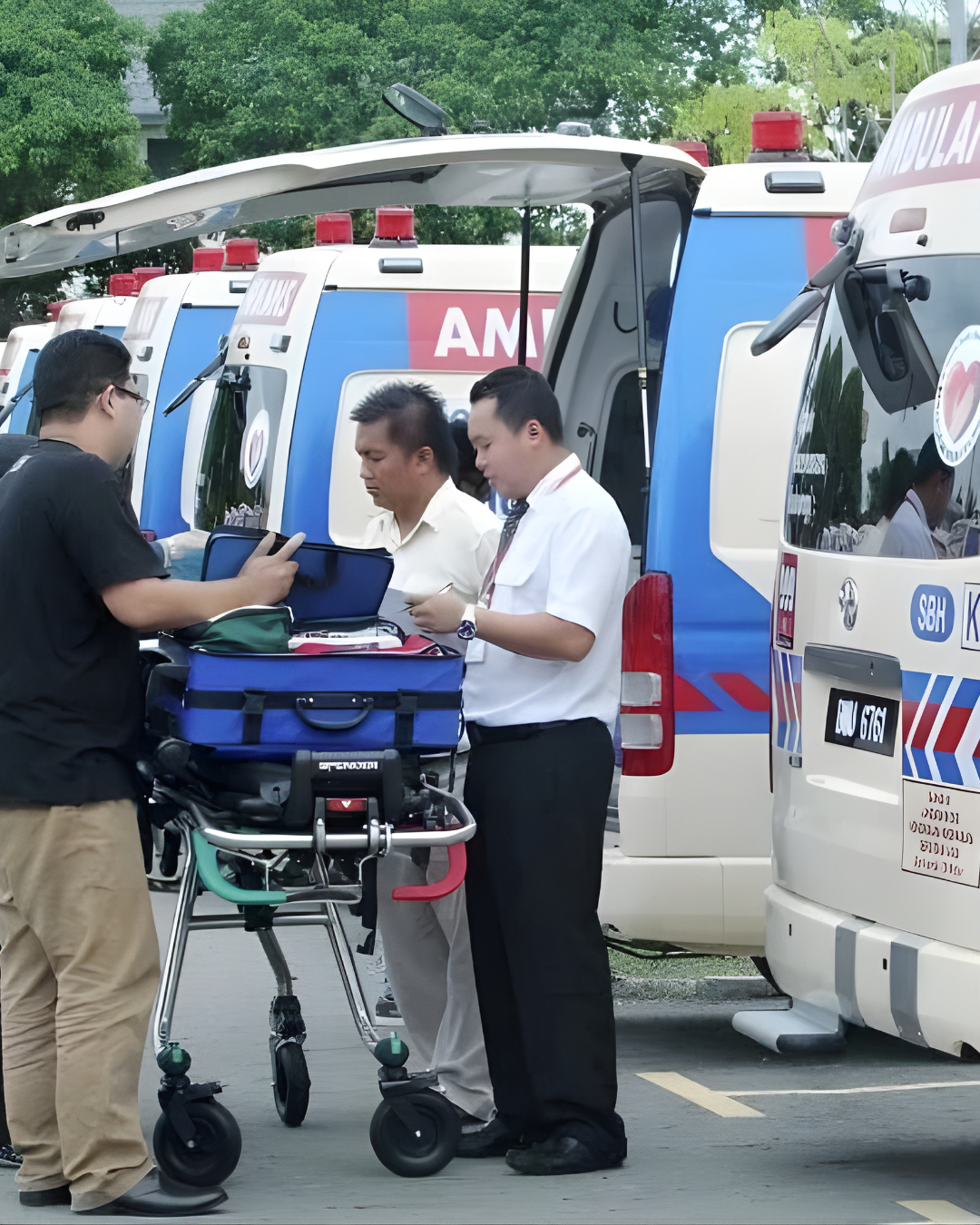
Emergency responders
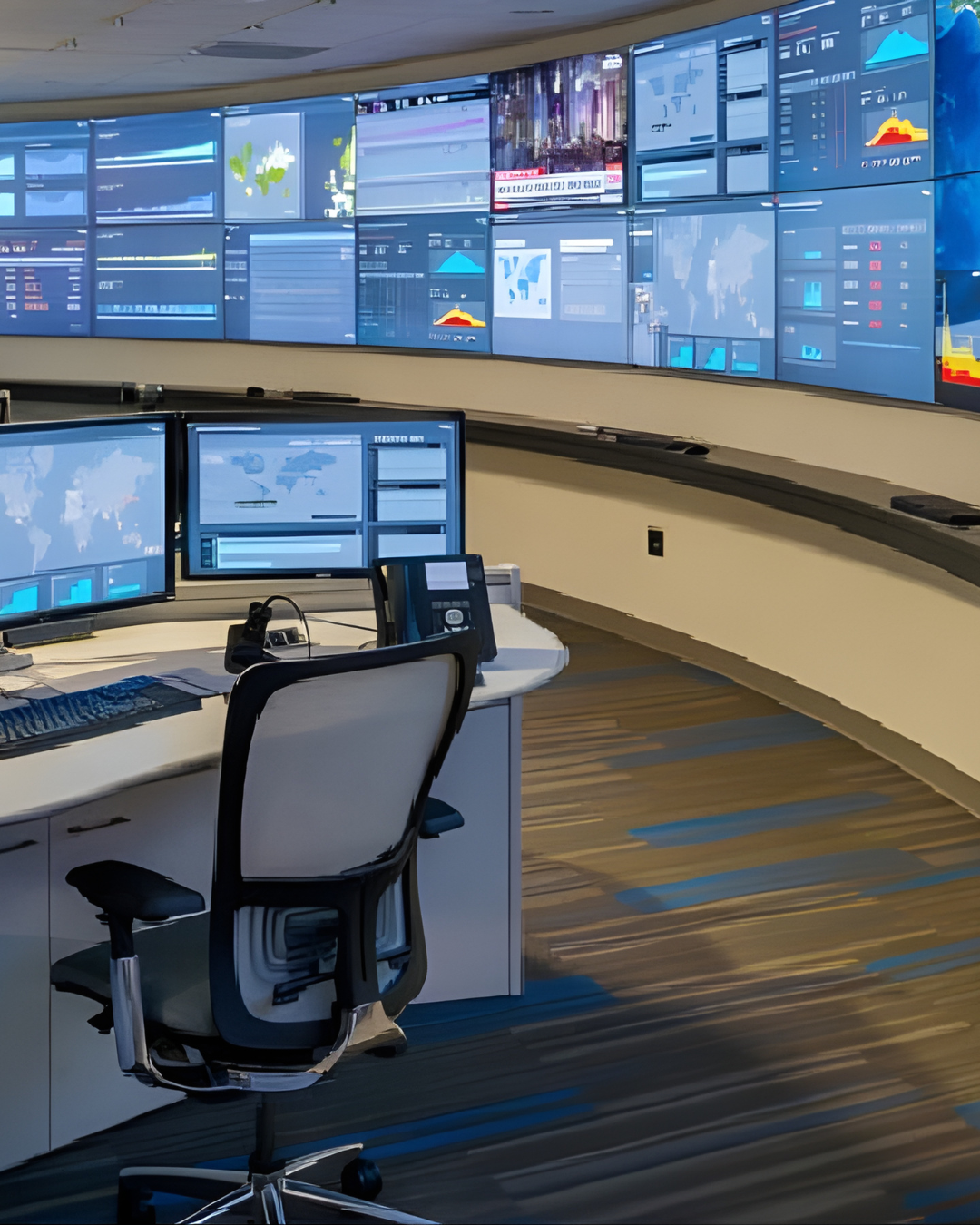
Operations control rooms

Facilities management
This ensures the right message reaches the right people immediately.
2. Body-Worn Cameras (VB400)
The VB400 Body-Worn Camera provides:
- Real-time evidence capture
- Incident transparency
- Officer and staff protection
- Reduced disputes and false claims
Used widely in:

Law enforcement

Security operations
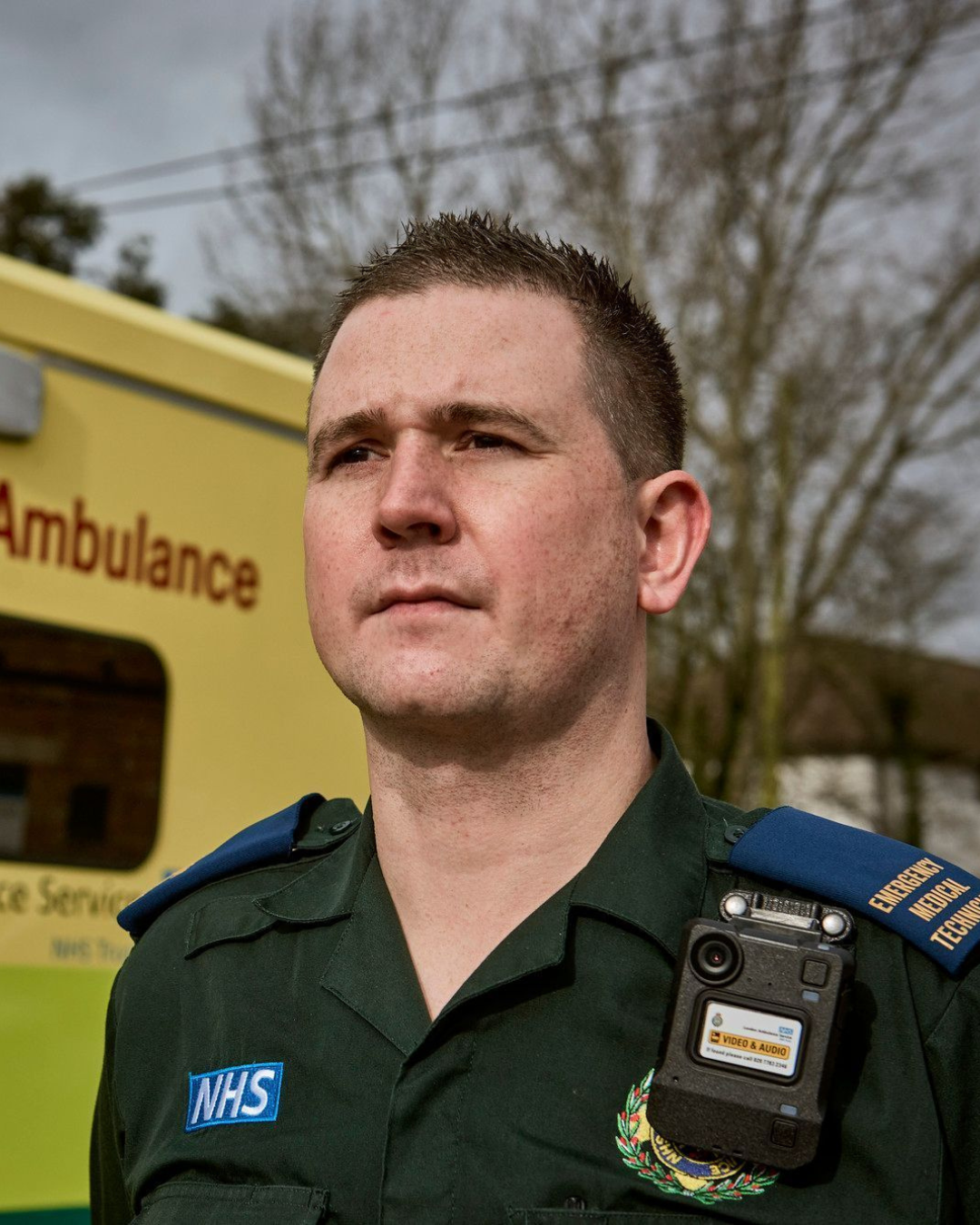
Frontline services
VB400 transforms incidents into verifiable records, strengthening accountability and trust.
3. Halo Smart Sensor — Proactive Incident Detection
The Halo Smart Sensor detects threats before incidents escalate, including:
- Aggressive behaviour
- Air quality issues
- Noise disturbances
- Environmental anomalies
This allows teams to respond proactively, not reactively—an essential requirement in mission-critical environments.
4. Avigilon Cameras — Intelligent Surveillance
Avigilon AI-powered cameras go beyond traditional CCTV by offering:
- Facial recognition
- Behaviour analytics
- High-definition evidence
- Rapid forensic search
They support real-time situational awareness, enabling faster and more informed decision-making during critical events.
5. DMR Radios — Reliable Communication When Networks Fail
Digital Mobile Radio (DMR) systems remain essential where:
- Cellular coverage is limited
- Network redundancy is required
- Instant group communication is critical
DMR radios provide:
- Dedicated communication channels
- High availability
- Proven reliability in emergencies
Practical Tips: How to Assess If Your System Is Mission-Critical
Ask these questions:
- What happens if this system goes down for 5 minutes?
- Can we confirm messages were received?
- Do we have full visibility during incidents?
- Is communication secure and auditable?
- Can the system scale during emergencies?
If the answer is “no” to any of these, your system may not be mission-critical.
Why Mission-Critical Thinking Matters Today
Modern organisations face:
- Increased safety risks
- Higher compliance requirements
- Faster incident escalation
- Greater public scrutiny
Mission-critical systems are no longer optional—they are foundational.
Conclusion: Mission-Critical Is About Trust
Mission-critical systems are about:
- Trusting your communication
- Trusting your data
- Trusting your response capabilities
With solutions like WAVE PTX Dispatch, VB400 Body-Worn Cameras, Halo Smart Sensors, Avigilon Cameras, and DMR Radios, Triple Access helps organizations stay operational, compliant, and protected when it matters most.
Is your communication and security truly mission-critical?
Speak to Triple Access today to assess and upgrade your mission-critical infrastructure.